- The problem
- Who counts as a stakeholder in a project?
- What I did
- Explains the ISO 26000 criteria and where the term comes from, then works through an example.
- Outcome
- A short primer for stakeholder mapping.
A stakeholder is a person, group or organization with a vested interest, or stake, in the decision-making and activities of a business, organization or project. Stakeholders can be members of the organization they have a stake in, or they can have no official affiliation. Stakeholders can have a direct or indirect influence on the activities or projects of an organization. Their support is often required for business and project success.
The International Organization for Standardization's ISO 26000 is a set of international standards for corporate social responsibility. It offers the following criteria for identifying a stakeholder:
- An organization is legally obligated to stakeholders.
- They might be positively or negatively impacted by an organization's decisions.
- They are likely to express concerns and be involved in the activities of an organization.
Based on this criteria, stakeholders often include customers, employees, investors, suppliers, boards of directors, community members and organizations, and government entities. Stakeholder capitalism is a system in which an organization prioritizes stakeholders' interests.
The term stakeholder has its roots in horse racing. A stake race is one in which the prize money is derived from the entry fees that horse owners pay to enter the race. The entry fee is called a stake, a synonym for risk. The person or entity that takes care of the entry fees until the prize money is awarded is called the stakeholder. Traditionally, the stakeholder has no financial interest in the outcome of the race.
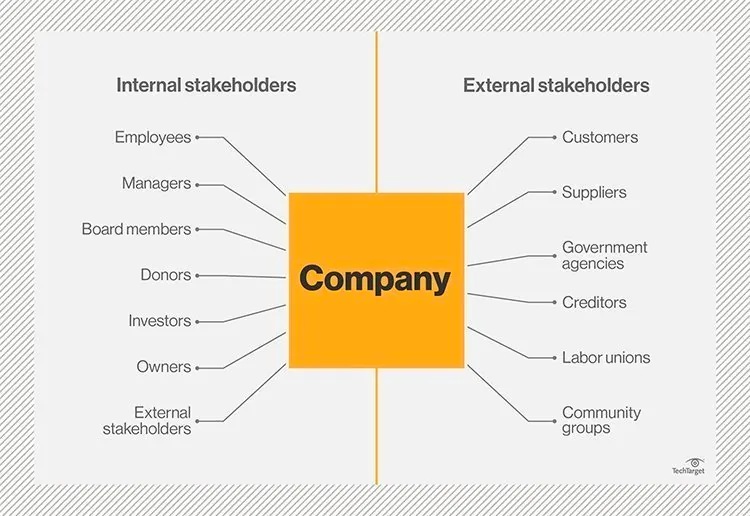
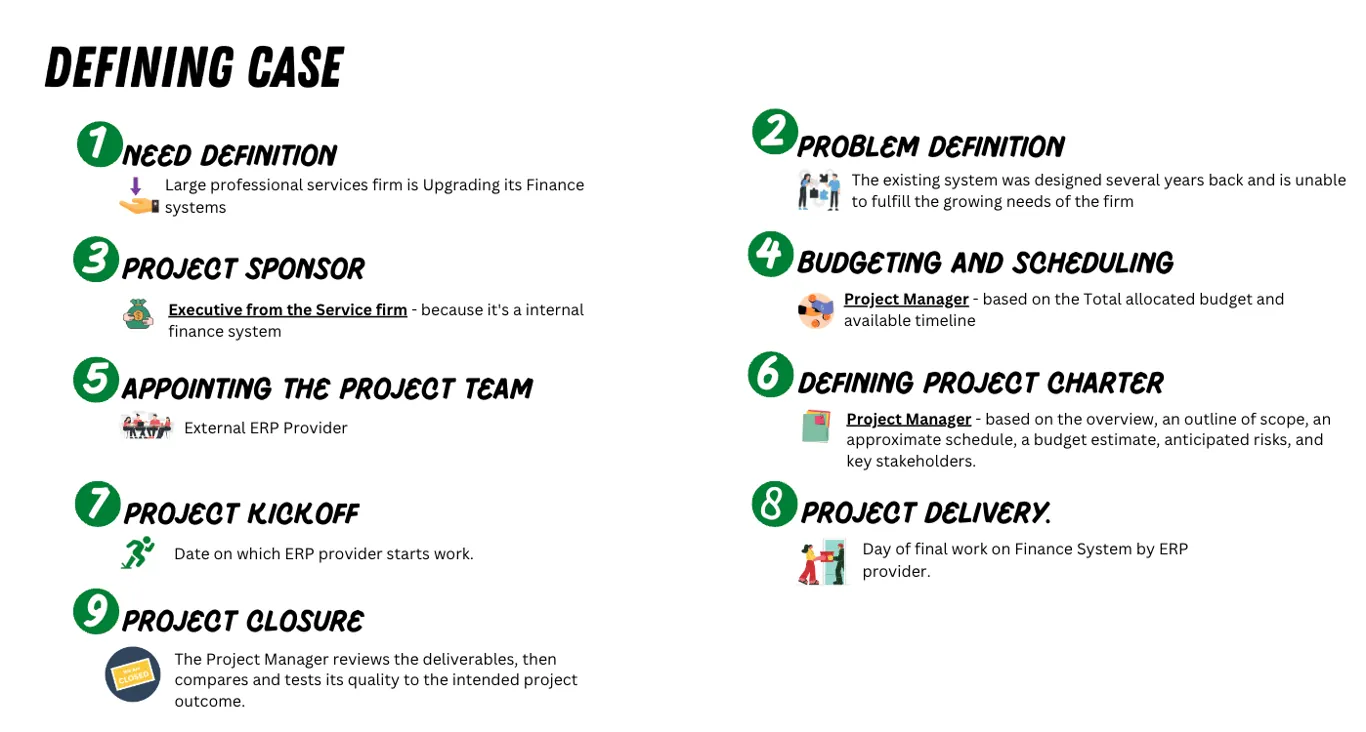
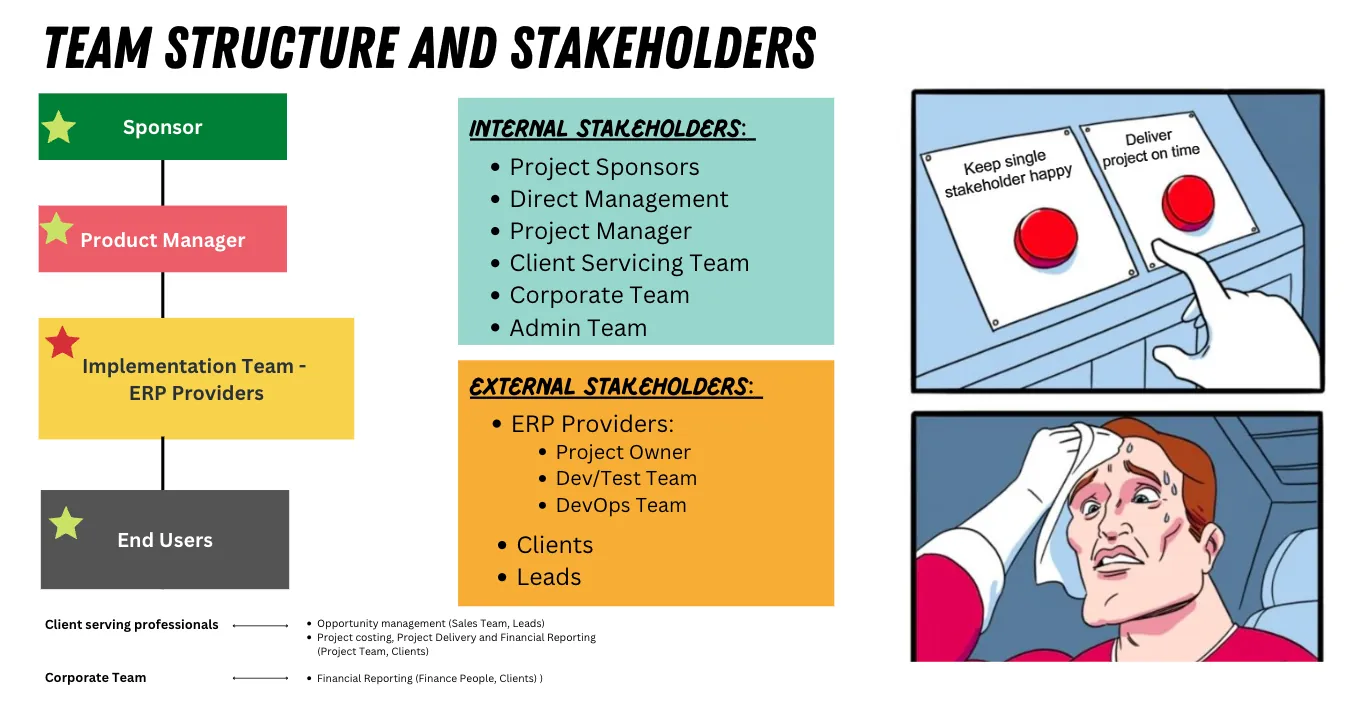
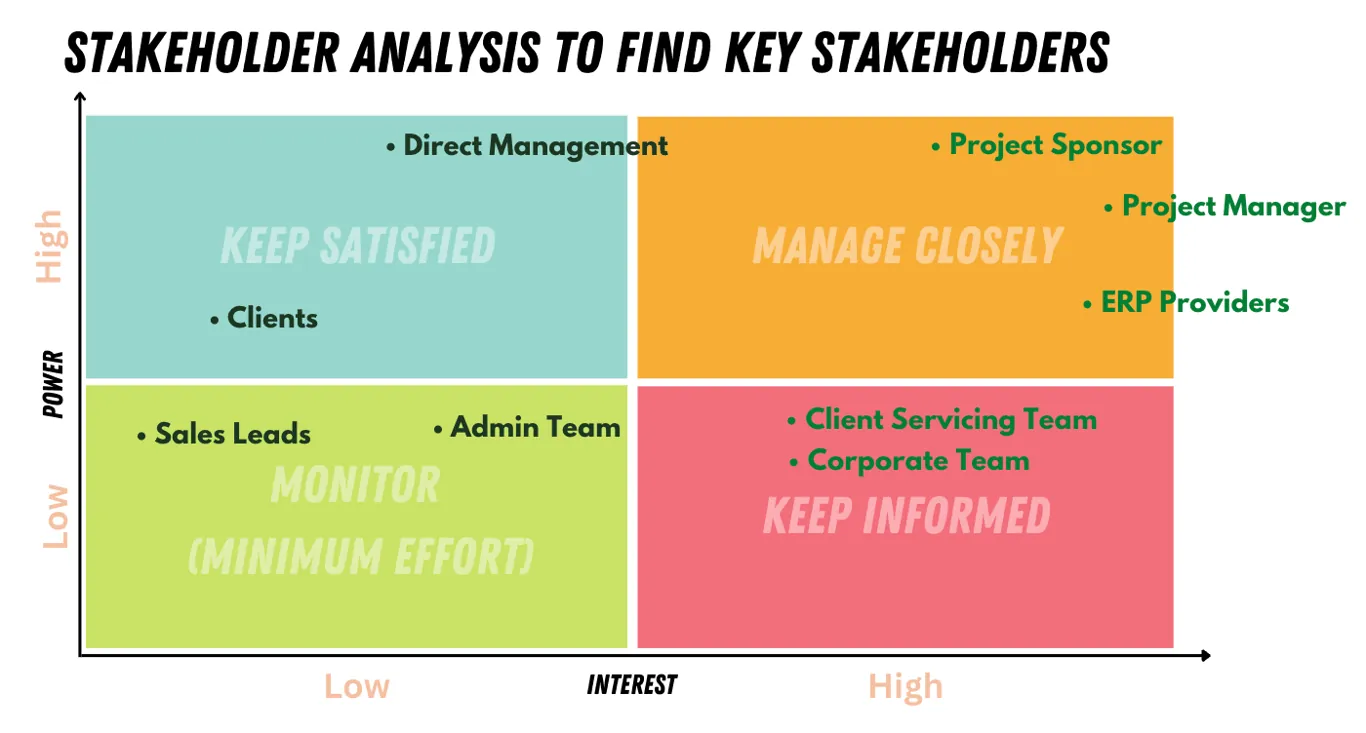
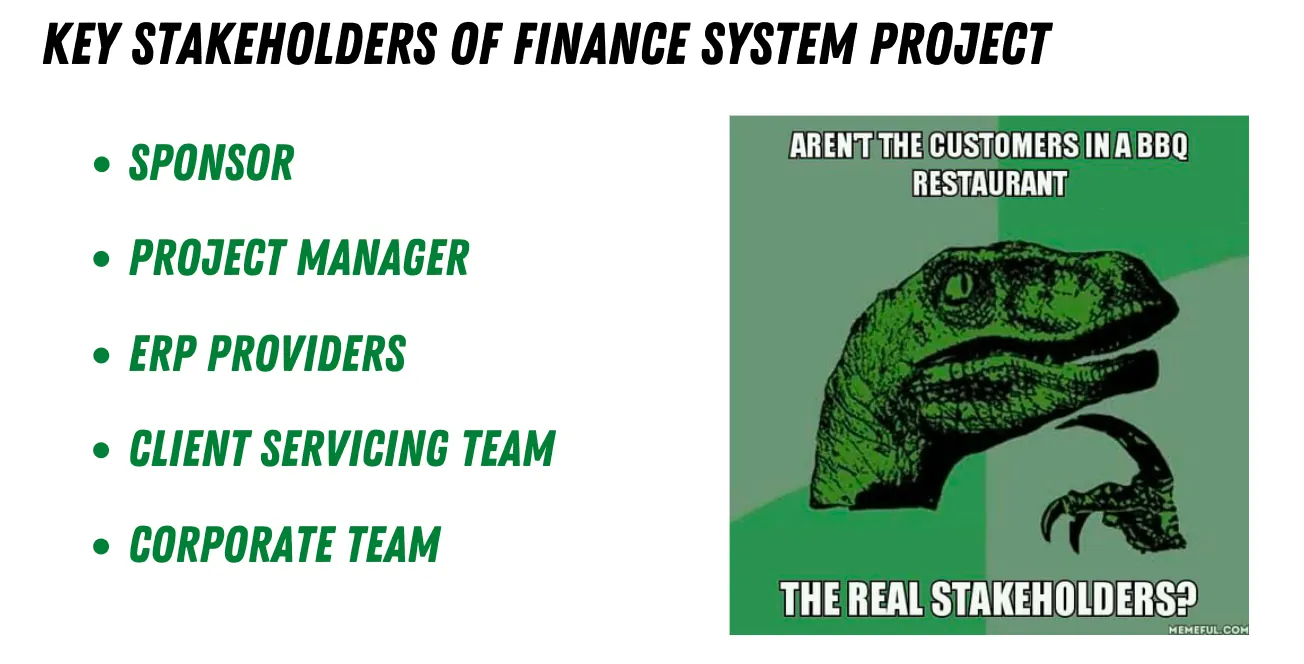
Let’s understand stakeholders better with an example case given below: