- The problem
- India uses over 14 lakh tonnes of PET plastic a year, and bottled water is a large share of the waste.
- What I did
- Researched the plastic-waste problem and interviewed commuters, travellers, eco-conscious consumers and local businesses.
- Outcome
- A model for free drinking water in cartons, with the key risk called out: free cartons being resold.
Background Research
| Statistic | Value | Source |
|---|---|---|
| Annual PET plastic consumption in India | 14 lakh tonnes | United Nations University Institute for Water, Environment and Health (UNU-INWEH) |
| Plastic waste generated from water bottles in India | 2.2 lakh tonnes | United Nations University Institute for Water, Environment and Health (UNU-INWEH) |
| Percentage of plastic waste recycled in India | 50% | Central Pollution Control Board |
| Number of trees required to produce 1 tonne of paper | 17 trees | World Wildlife Fund |
| Number of plastic water bottles that can be recycled from 1 tonne of PET plastic | 10,000 | United States Environmental Protection Agency |
According to a report by the United Nations University Institute for Water, Environment and Health, India consumes more than 14 lakh tonnes of PET plastic, in which bottled water is typically packaged, annually. This works out to more than 3,800 tonnes on a single day.
Each plastic water bottle produces around 55 grams of plastic waste. This means that India generates over 2.2 lakh tonnes of plastic waste from water bottles every year.
Plastic waste is a major environmental problem. It takes hundreds of years for plastic to decompose, and it can pollute land, water, and air in the meantime. Plastic waste can also harm wildlife, and it can release harmful chemicals into the environment.
Recycling plastic bottles is important because it helps to reduce the amount of plastic waste that ends up in landfills and incinerators. Recycling also helps to conserve resources and reduce greenhouse gas emissions.
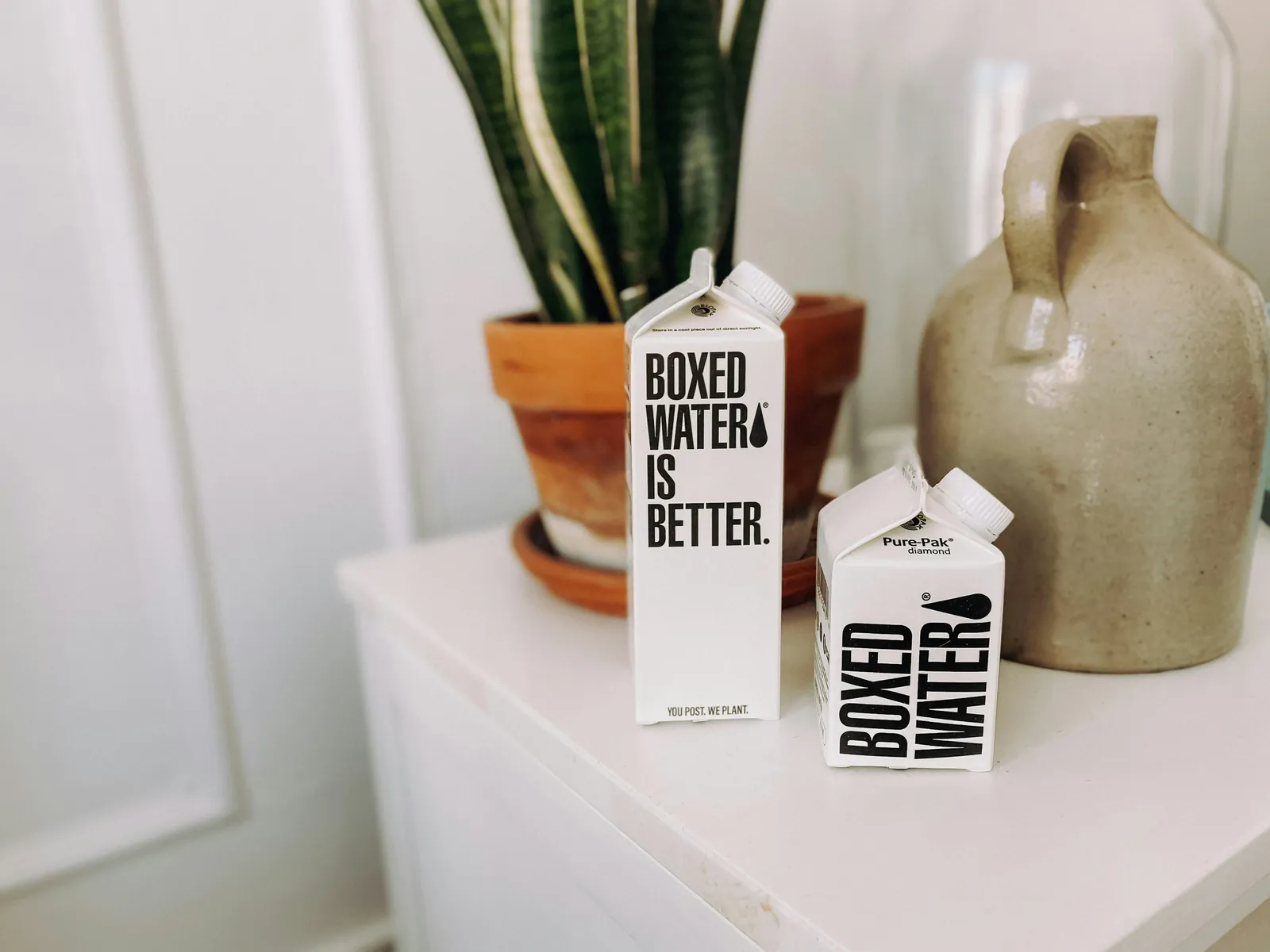
Eco-friendly alternatives to plastic water bottles include reusable water bottles, glass bottles, and paper water bottles. Reusable water bottles are the most environmentally friendly option, as they can be used over and over again. Glass bottles are also a good option, as they are recyclable and reusable. Paper water bottles are a more sustainable alternative to plastic water bottles, as they are made from renewable resources and can be composted.
The Goal
User Research
For FreeAqua, the user base may include various groups of people who would benefit from free water cartons. These are the specific user groups we focused on for user interviews:
- Commuters: People who regularly use public transportation like metro trains and buses, as they often need access to water during their journeys.
- Travellers: Tourists or travellers passing through major transportation hubs like airports or train stations who may appreciate a free source of hydration.
- Environmentally Conscious Consumers: Individuals who are environmentally conscious and prefer using sustainable alternatives to single-use plastic bottles.
- Local Businesses: Supermarkets and small businesses near your distribution points that might be interested in participating in the exchange program or advertising on your water cartons.